

Financial wellbeing has moved from employee benefit to business strategy
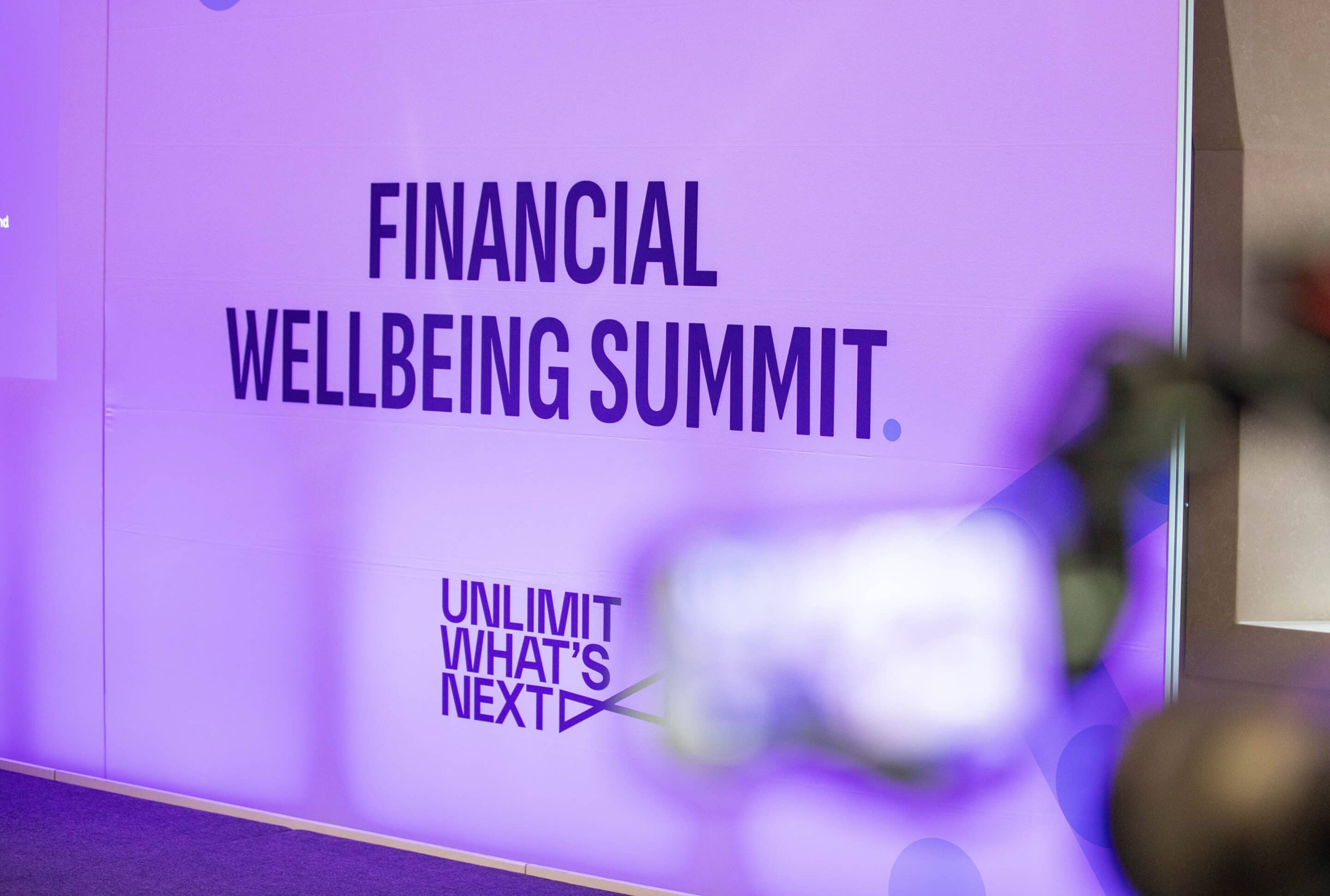
On the first anniversary of Hastee becoming part of Zellis, the two businesses came together to host the Financial Wellbeing Summit 2026, bringing together HR, payroll and reward leaders alongside industry experts to explore one of the biggest challenges facing employers today: workplace financial wellbeing.
Hosted at 30 Euston Square in London, the event welcomed thought leaders, customers, academics and practitioners to discuss how organisations can better support employees while improving business performance.
Opening the event, Hastee CEO Jaime Jimenez and Zellis CEO Abigail Vaughan highlighted the scale of the challenge facing today’s employers. They shared that 92% of UK employees experienced financial stress during the past year, nine in ten say it affects their performance at work, and 64% are more likely to stay with an employer that offers financial wellbeing support.
These statistics set the tone for an afternoon focused not simply on employee benefits, but on how financial wellbeing is becoming a strategic driver of productivity, engagement and organisational resilience.
Throughout the afternoon, speakers combined academic research, customer experiences and practical examples to demonstrate how organisations can build healthier, more resilient workforces while delivering measurable business outcomes.
Although each session explored financial wellbeing from a different perspective, five consistent themes emerged throughout the afternoon.
1. Financial wellbeing has become a boardroom conversation
A recurring message was that financial wellbeing should no longer sit solely within HR. Instead, it should be recognised as a strategic business issue with a direct impact on productivity, engagement and retention.
Workplace wellbeing expert Gethin Nadin demonstrated how financial stress affects organisational performance, sharing evidence that financially stressed employees lose more than 50 working hours every year dealing with or worrying about money at work, while more than one in four are considering leaving their employer.
Key takeaway: Financial wellbeing is increasingly becoming a business strategy rather than simply an employee benefit.
2. Access matters as much as the benefit itself
Several speakers emphasised that even the best financial wellbeing programmes only deliver value if employees know they exist and can access them easily.
Rather than asking employees to navigate multiple systems, organisations are increasingly embedding financial wellbeing into payroll and HR platforms that employees already use. This reduces friction, increases awareness and encourages greater engagement.
Key takeaway: How organisations deliver financial wellbeing is just as important as what they offer.
3. The evidence has never been stronger
Rachel Harte and Dr Hayley James from Aston University’s Centre for Personal Financial Wellbeing presented new research involving 1,242 Hastee users, alongside qualitative lived-experience panels across multiple industries.
Their findings explored the relationship between financial confidence, workplace performance and long-term resilience, reinforcing the importance of evidence-based financial wellbeing strategies that focus on behaviour as well as education.
Key takeaway: Data helps employers move from assumptions to measurable outcomes.
4. Simplicity drives engagement
Technology featured throughout the summit as an enabler of better employee experiences.
Whether through payroll integration, earned wage access, savings tools or financial education, speakers highlighted that successful solutions are those that remove barriers and fit naturally into employees’ everyday working lives.
Making support simple, intuitive and accessible is essential if organisations want employees to fully benefit from their financial wellbeing investments.
Key takeaway: The easier financial wellbeing is to access, the greater the likelihood employees will engage with it.
5. Collaboration is shaping the future
The summit brought together employers, academics, payroll professionals and technology providers, demonstrating that improving workplace financial wellbeing requires multiple perspectives.
The partnership between Hastee and Aston University’s Centre for Personal Financial Wellbeing highlighted the value of combining academic research with real-world employee experiences to generate practical, evidence-based insights for employers.
Key takeaway: Collaboration is accelerating innovation and helping organisations create more effective financial wellbeing strategies.
Thank you
We’d like to thank every speaker, customer, partner and attendee who contributed to making this year’s Financial Wellbeing Summit such a valuable event.
Over the coming weeks, we’ll continue sharing speaker insights, research findings and practical resources from the day, including deeper dives into many of the topics discussed throughout the summit.
Continue exploring the Financial Wellbeing Summit
Watch the session recordings, revisit the presentations and discover the latest research shared throughout the event.
Explore the Financial Wellbeing Summit